- Home
- About us
- Services
- Level-4 BRT Solution
- Automated Fare Collection
- Bus Scheduling System
- Fleet Management System
- Integrated Fault Management Solution
- Real-time Funds Management & Reconciliation Solution
- Vehicle Location System
- Asset Management System
- Integrated Passenger Information System
- Complaint Management System
- SLA Management System
- Our Team

Automated Fare Collection
Every tap, every ticket, every rupee gets accounted for.
AI-powered smart public transportation enables all transit transactions to be managed digitally from your mobile device. Passengers can subscribe, recharge, and manage travel cards remotely through intelligent applications without visiting any physical location. Using AI-driven NFC integration, users can instantly link their digital profile to physical cards, while non-NFC devices complete updates seamlessly through smart validators during usage.
The Problem
Fare revenue leaks quietly
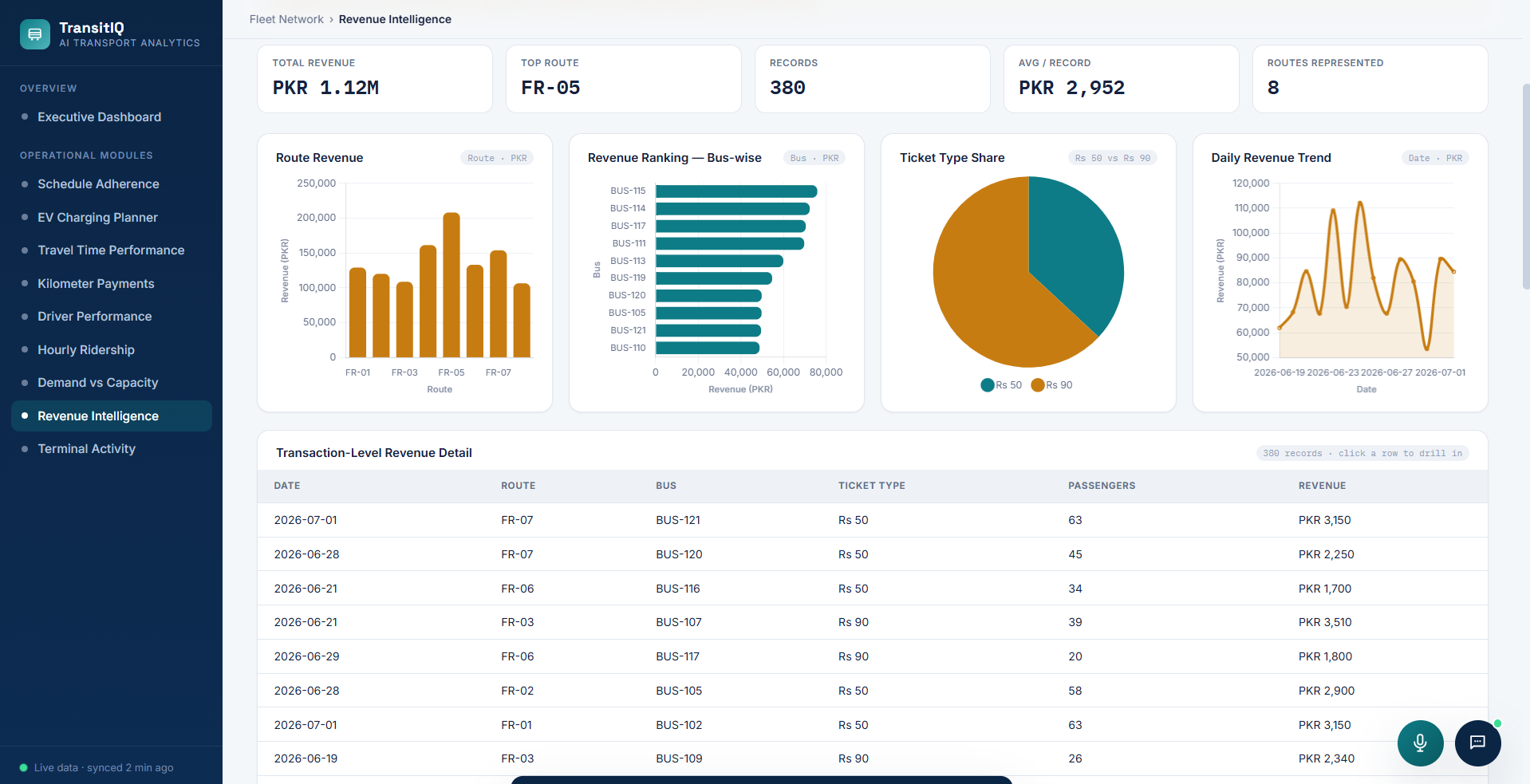
Most fare losses are not dramatic. Cash handled by hand at a counter leaves no trace to audit. A validator that stops working the moment its connection drops sends passengers through an open gate for free. And when the month-end report cannot be traced back to the individual taps that produced it, nobody can say with confidence what the corridor actually earned.
An automated fare collection system is only worth installing if it closes all three gaps at once. That is the system we build.
What We Recruit For
From first scientific hires to the boardroom, our search partners bring first-hand expertise to every corner of the biopharma organisation. Explore each practice area below.
Fare media and ticketing
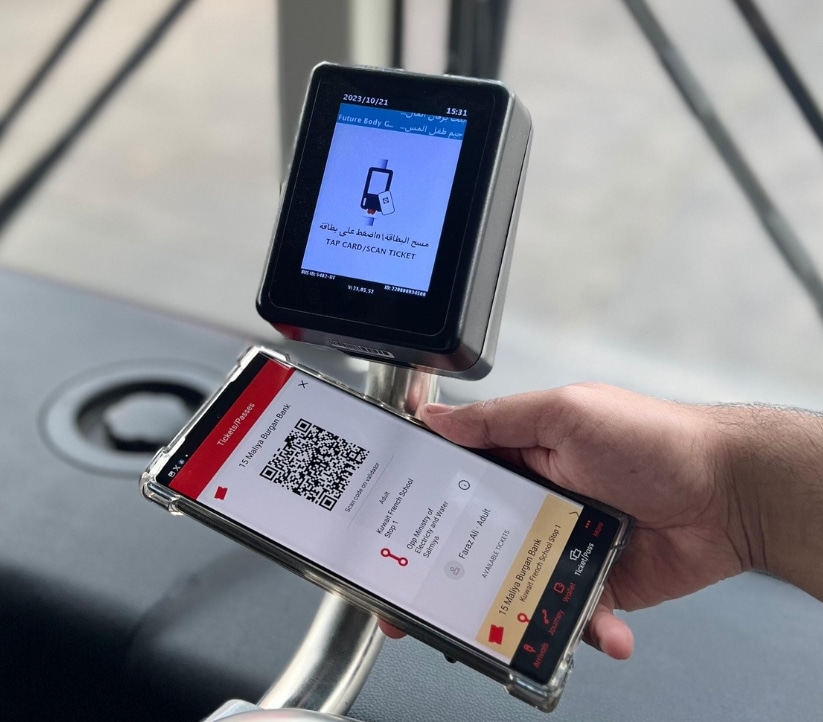
QR tickets, contactless smart cards and account-based travel products, open loop (EMV) media, issued and managed from one system.
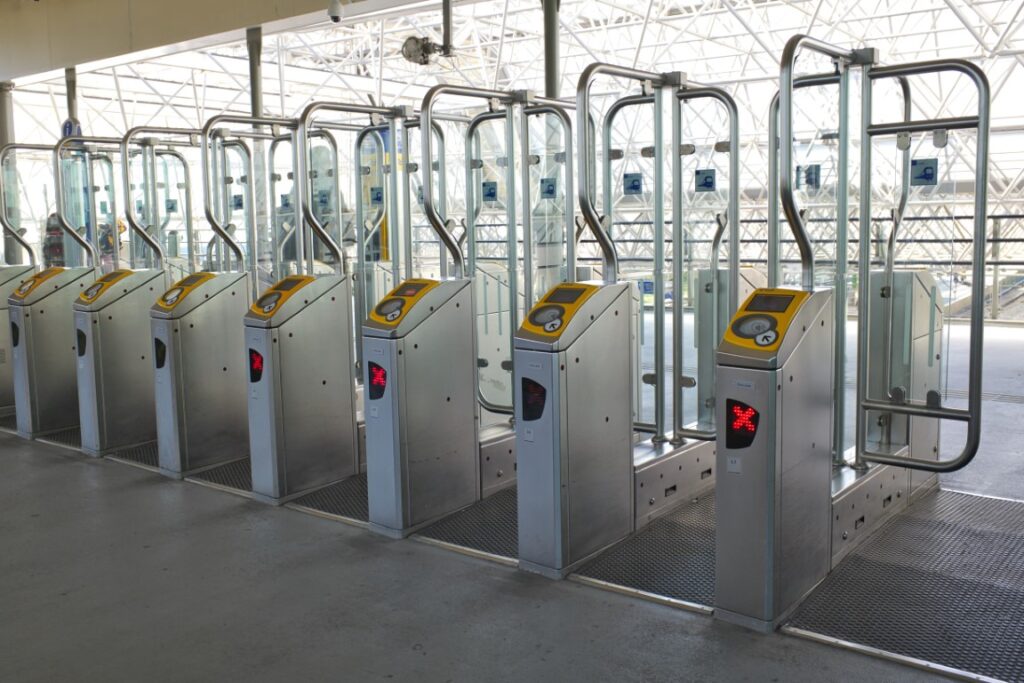
Field equipment
Gate validators, on-board validators, Ticket Vending Machine (TVM) and station point-of-sale terminals, all built to keep working without a live connection.
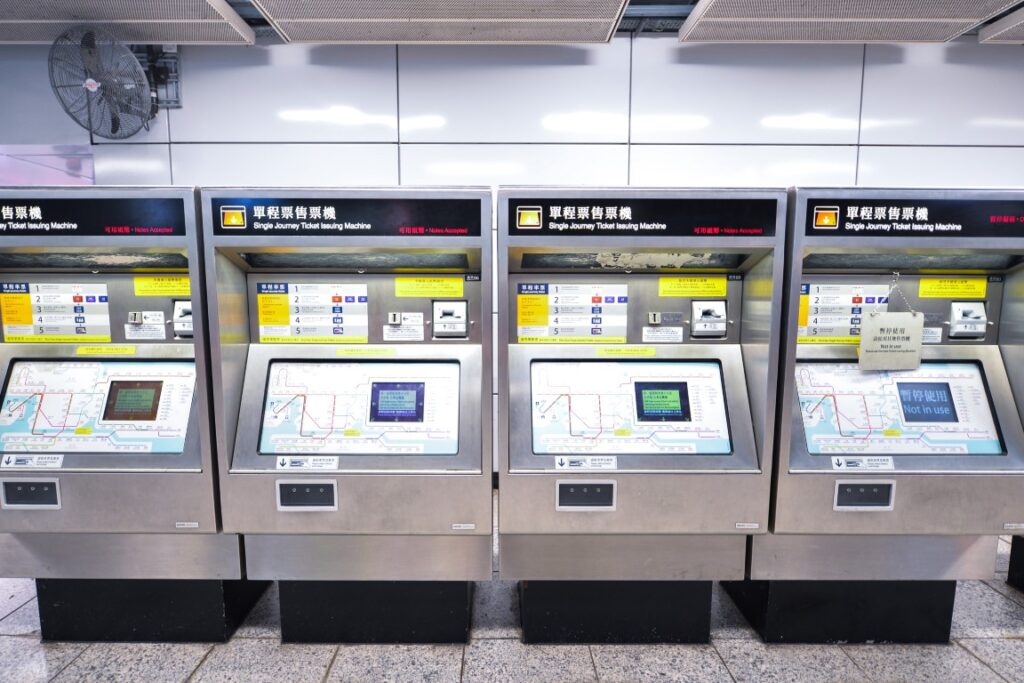
Transaction engine
A ledger-first core that records every sale and every tap as an immutable event, then projects them into complete journeys.

Back office
The Business Support System, master data, users, live operations view, and the sales, ridership and revenue reports and automated funds management and reconciliation that close each service day.
How it works
From ticket sale to settled account, in four steps
01 / Sell
A passenger buys a QR ticket at a station counter or self-service point, or loads value onto a card. The sale is written to the financial ledger and the journey is created in a pending state before the passenger has moved.
02 / Tap in
At the gate, the validator reads the ticket or card and decides locally, in milliseconds. The gate opens, the tap is recorded as an immutable event, and the journey moves to in-transit.
03 / Tap out
The exit tap closes the journey. The fare is matched against the original issuance record, and the journey is marked complete — so entries and exits balance instead of drifting apart.
04 / Settle
Events stream to the back office continuously. By the end of the service day, sales, ridership and revenue reports all reconcile against the same ledger, station by station and terminal by terminal.
Choose the fare media your riders will actually use
The platform issues and validates several media types side by side on the same corridor, so an authority can run a low-cost paper product and a premium stored-value product without a second system.
| Media | How it is used | Where it is issued |
|---|---|---|
| QR ticket | Single or return journey. The payload is encrypted, so a photographed or forged code does not validate. | Station POS counter, self-service point, operator app |
| Contactless smart card | Reusable travel card read by the validator's contactless reader. Blocked instantly across the network if lost. | Station counter — issued, initialised and personalised |
| Account-based card | The balance lives centrally, not on the card. The card is only an identifier, so top-ups apply everywhere at once. | Station counter; topped up at any counter or channel |
| Concession and staff media | Registered to a named holder and card record, for student, senior, disability and staff products. | Station counter, against verified identity |
Built for the gate line, not the demo bench
Gate validators
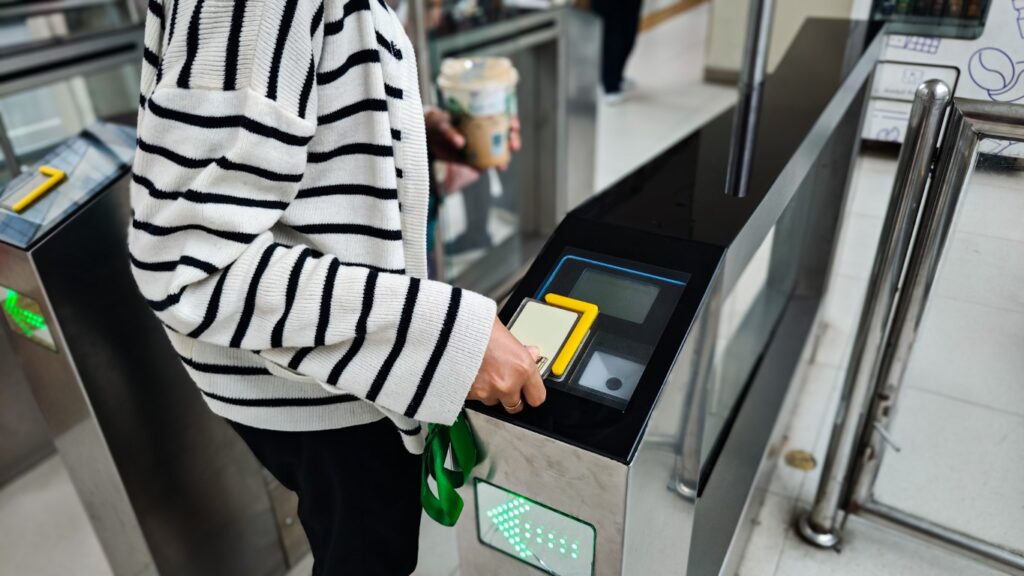
Our validator software runs on the gate itself: contactless card reader, QR scanner, bilingual on-screen prompts and audible feedback for the passenger, and direct control of the gate mechanism. It supports more than one gate make on the same corridor, so an authority is not forced to replace working hardware. The unit runs locked to the fare application, restarts into service automatically after a power cut, and needs no attendant to bring it back up.
Station point of sale
A counter application for ticket sales, card issuance, card initialisation and top-ups, with shift-based operator login and per-session sales tracking. Every transaction is written to a local database first, so a counter keeps selling through a network outage and settles up afterwards.
On-board validators
The same validator application runs in vehicle mode for bus routes, configured remotely with its route, vehicle and station assignment.

Built for the gate line, not the demo bench
Gate validators
Our validator software runs on the gate itself: contactless card reader, QR scanner, bilingual on-screen prompts and audible feedback for the passenger, and direct control of the gate mechanism. It supports more than one gate make on the same corridor, so an authority is not forced to replace working hardware. The unit runs locked to the fare application, restarts into service automatically after a power cut, and needs no attendant to bring it back up.
Station point of sale
A counter application for ticket sales, card issuance, card initialisation and top-ups, with shift-based operator login and per-session sales tracking. Every transaction is written to a local database first, so a counter keeps selling through a network outage and settles up afterwards.
On-board validators
The same validator application runs in vehicle mode for bus routes, configured remotely with its route, vehicle and station assignment.
Works when the network doesn't
Connectivity at a station is never guaranteed. Our field equipment is designed for that from the start rather than patched for it afterwards.
- Local decisions. The validator authorises a tap on the device. It does not wait for a round trip to a data centre, so a passenger passes the gate at the same speed whether the link is up or down.
- Nothing is lost. Every offline sale and every offline tap is queued on the device in a durable local store.
- Verified sync, not hopeful sync. When the link returns, queued records are sent in batches and each one is confirmed individually by the server before it is cleared from the device. A batch that is only half accepted is not marked as done.
- Safe retries. Server endpoints are idempotent: if a device resends a batch after a timeout, the passenger is charged once, not twice.
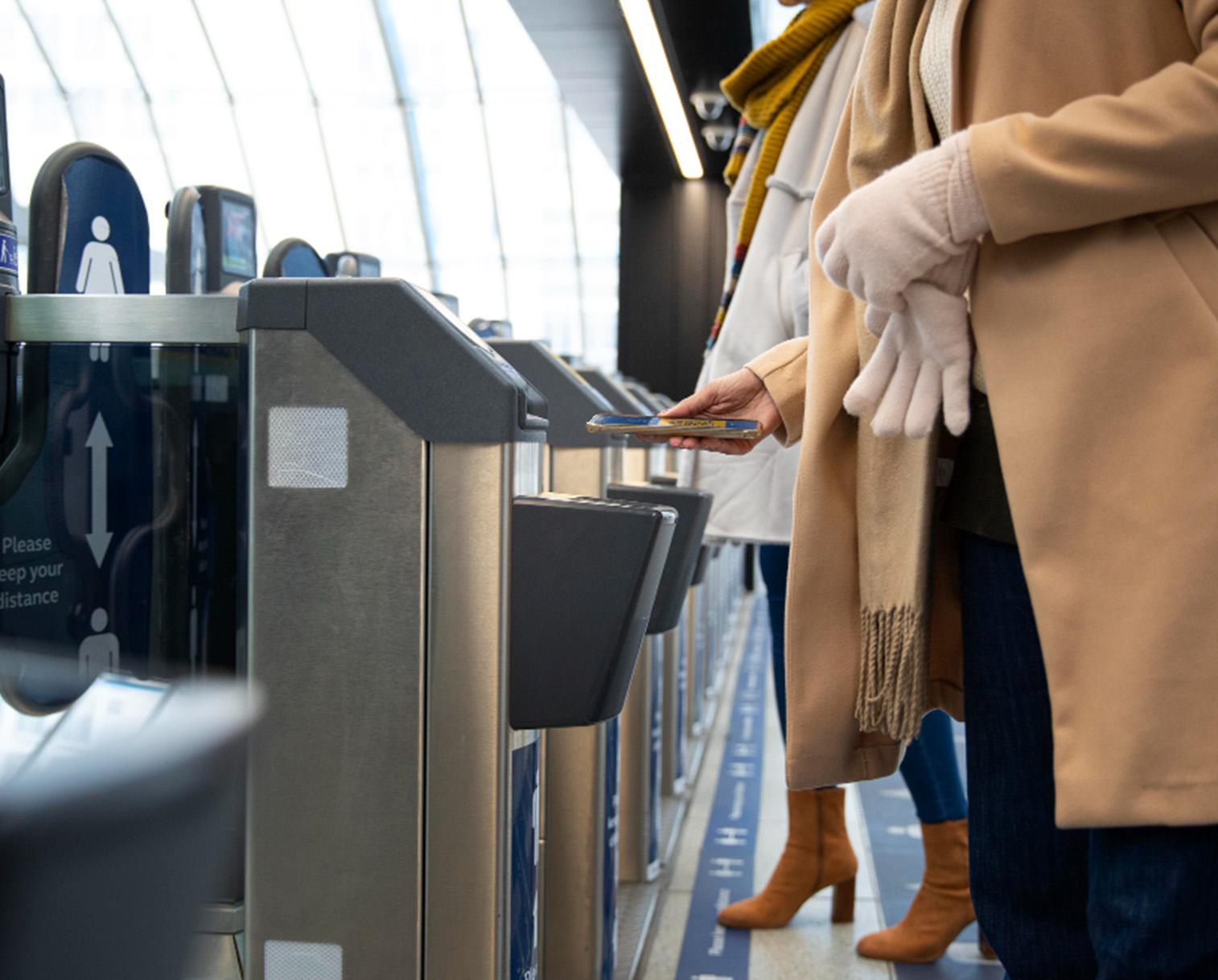
A ledger, not a log
Fare systems are financial systems. Ours is built ledger-first, on the same principle a bank uses: records are added, never edited away.
- An append-only financial ledger holds every monetary event — ticket sales, card issuance, top-ups.
- A separate immutable tap ledger holds every gate interaction, entry and exit.
- A journey projection sits on top of both, tracking each trip from issued, through in transit, to completed with its fare matched to the original sale.
Because history is never overwritten, any figure in any report can be traced back to the individual events that produced it — which is what an audit asks for and what a spreadsheet-based process cannot provide.
The Business Support System
A single web back office for everyone who runs the corridor, with role-based access so each user sees only what their job requires.
- Master data: organisations, lines, stations, equipment, fare media types and fare keys, maintained in one place and pushed to every device.
- User administration: operators, supervisors and administrators, with permissions by role.
- Live overview: current state of the network, station by station and terminal by terminal.
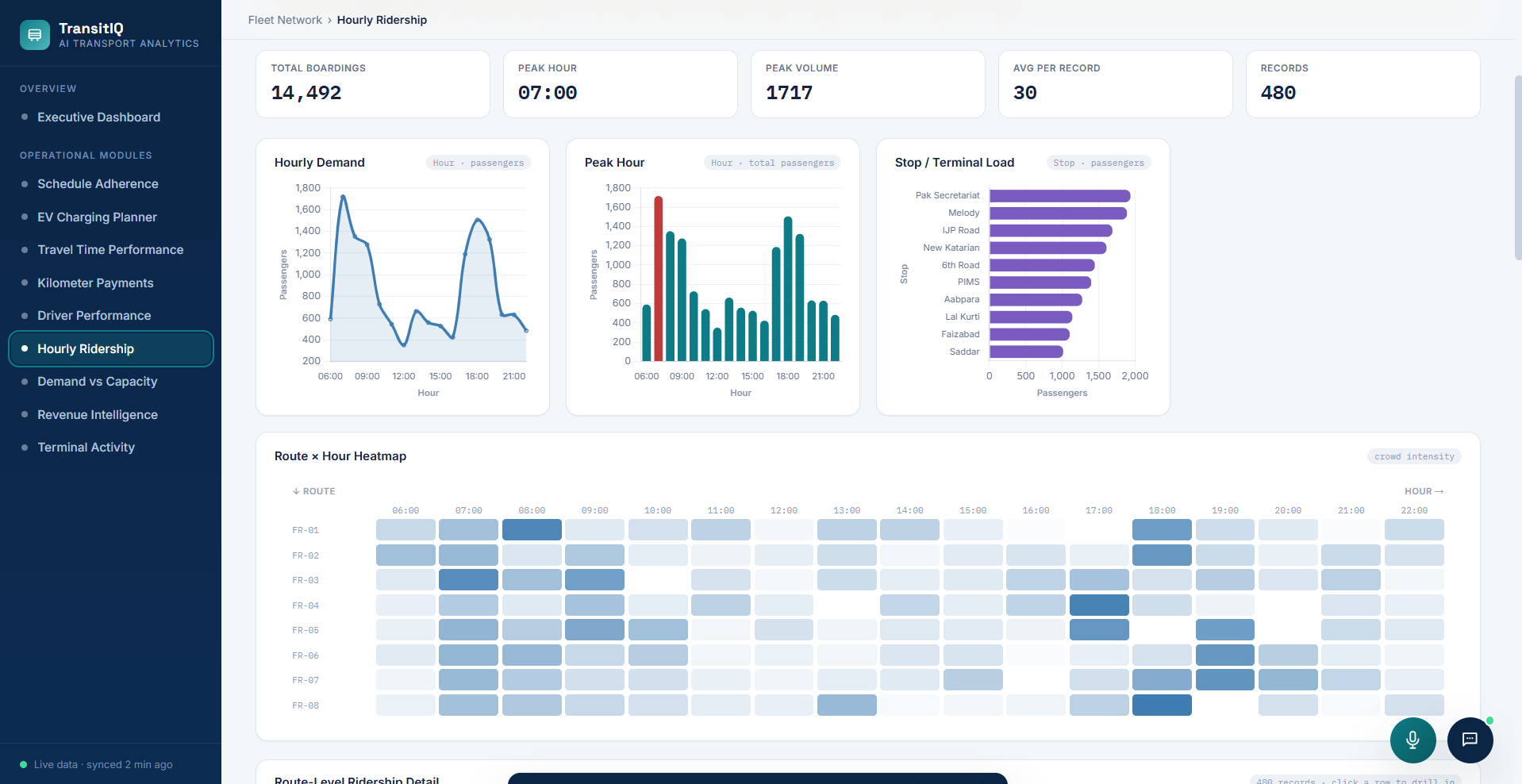
- Reporting: sales, ridership and revenue, with filters, on-screen tables and export.
New reports can be configured from report definitions rather than written as code, so the operator's finance team can get a new breakdown without waiting for a software release.
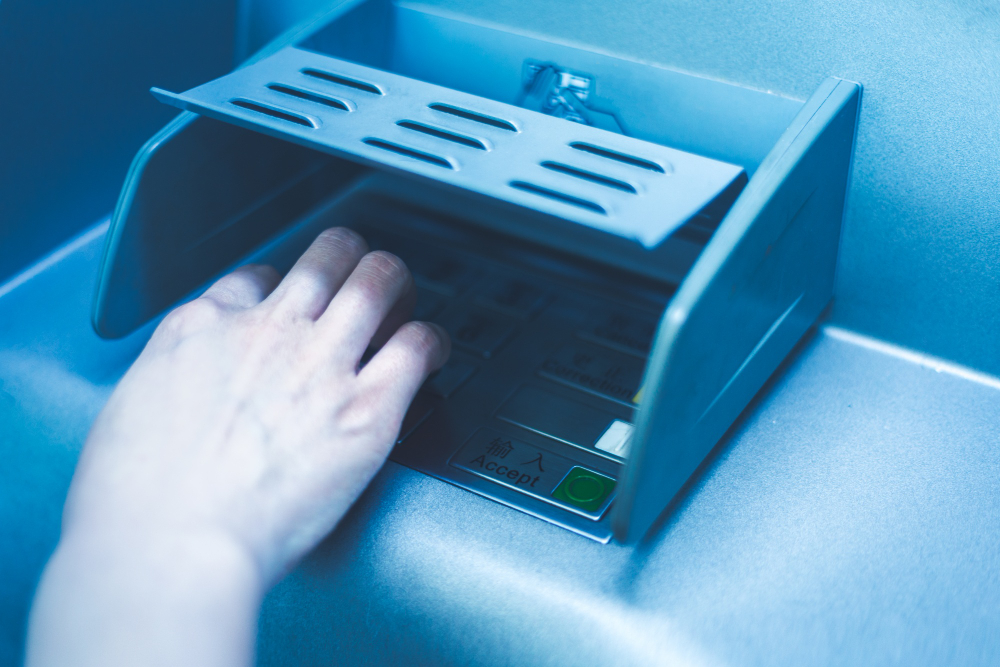
Payments Verification and audit chanel
AI-powered payment verification and audit systems, part of the Electronic Fare Collection ecosystem, use advanced hardware and intelligent software to ensure secure, transparent, and efficient fare processing. These systems simplify operations for transport authorities while delivering a seamless and reliable experience for passengers through automated validation and real-time monitoring.
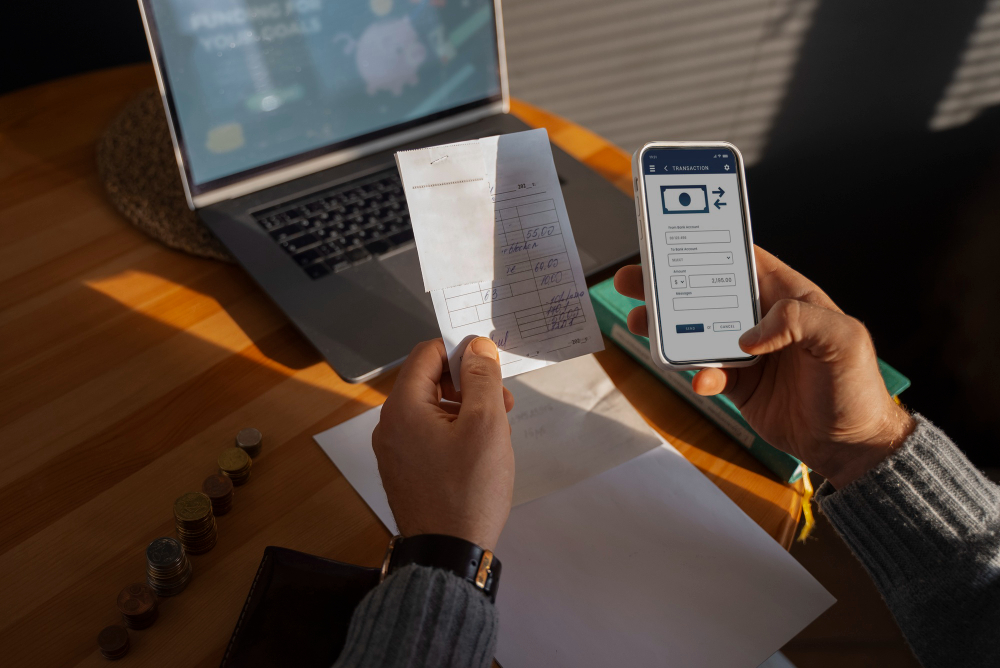
With AI-driven transit intelligence, passenger services become fully automated and connected across all platforms. Users can manage travel subscriptions, recharge accounts, and access smart ticketing features through a unified mobile ecosystem.
Frequently asked questions
An automated fare collection system replaces cash and manual ticket checking with electronic fare media, validators at the point of entry, and a back office that records and reconciles every transaction. A complete AFC system covers four things: the fare media a passenger carries, the equipment that reads it, the engine that prices and records the journey, and the reporting that proves what was collected.
Yes. Validators authorise taps locally on the device, so passengers pass the gate at normal speed with no live connection. Sales and taps made during an outage are queued on the device and synchronised when the link returns, with each record individually confirmed by the server before it is cleared. Retried batches cannot double-charge a passenger.
Encrypted QR tickets for single and return journeys, contactless smart cards for stored-value travel, account-based cards where the balance is held centrally, and registered concession or staff media for student, senior, disability and employee products. Several media types can run on the same corridor at the same time.
Ticket payloads are cryptographically protected, so a photographed or forged code fails validation. Lost or stolen cards are blocked across the network centrally. Field equipment authenticates itself to the core, so an unknown device cannot inject transactions. And because entries and exits are both recorded as immutable events, unusual patterns at a station or terminal show up in the reports.
Yes. The platform exposes documented interfaces for both device traffic and back-office integration, and is already designed to exchange data with payment channels, finance and ERP systems, scheduling and fleet management, and passenger information systems. It also exposes health and performance endpoints for an operator's existing monitoring.